free web creation software

TRAMORE OF OUR TIMES  
Aspects of twentieth century social history 
by Maxine Keoghan

Tramore is primarily associated with tourism and a visit to the beach, the races or with having fun at the amusements.

The more noted landmarks include the Metal Man and the Sea Horse Commemorative Cairn.

For some, Tramore is a wonderful place to visit, but for others, Tramore is where we call home. 


The book, Tramore of our Times - Aspects of twentieth century social history was written by historian and Tramore native, Maxine Keoghan.

It became apparent that the knowledge and way of life of the people of past generations was gradually being lost.

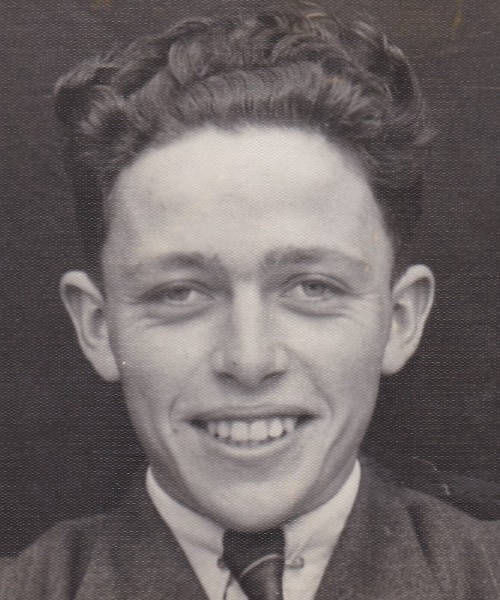
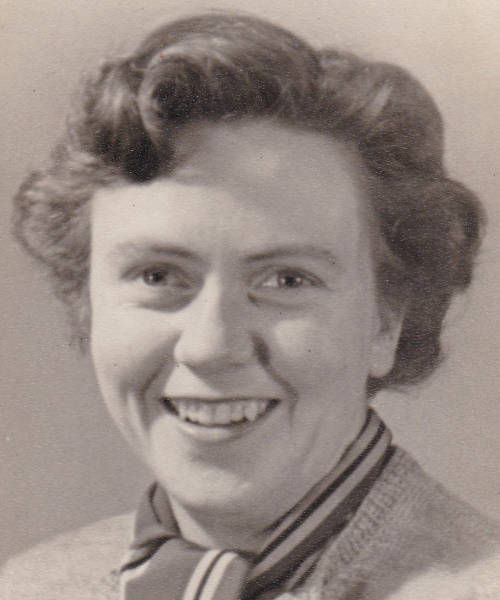
With this in mind, Maxine interviewed over 40 Tramore people in a five year period to produce a multi-layered depiction of the sea-side resort.

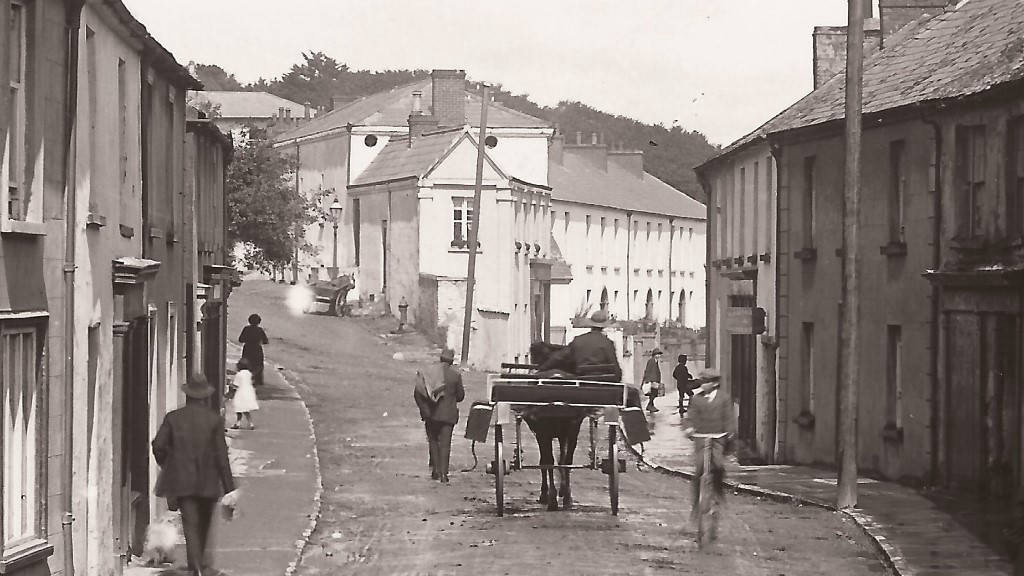
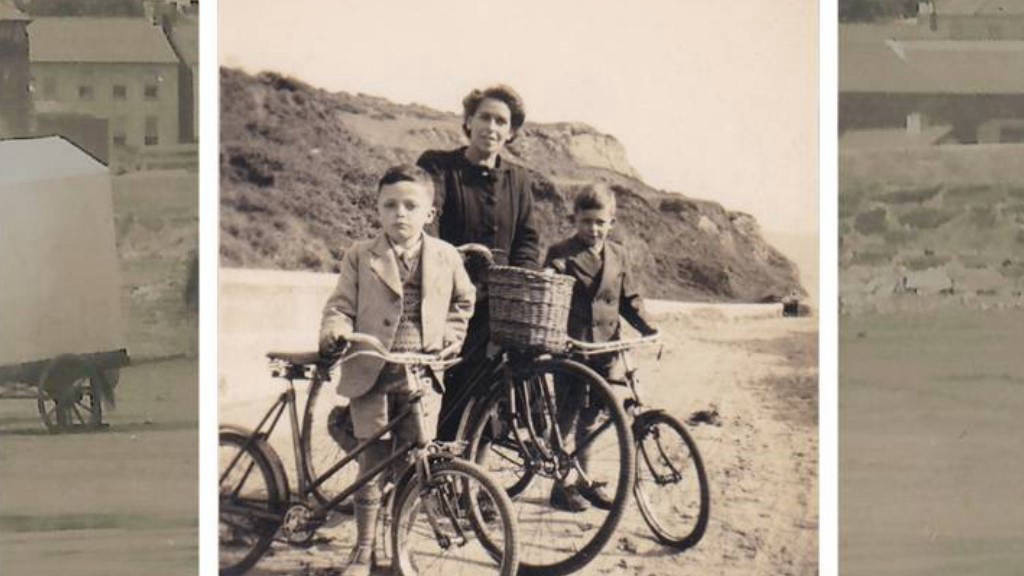
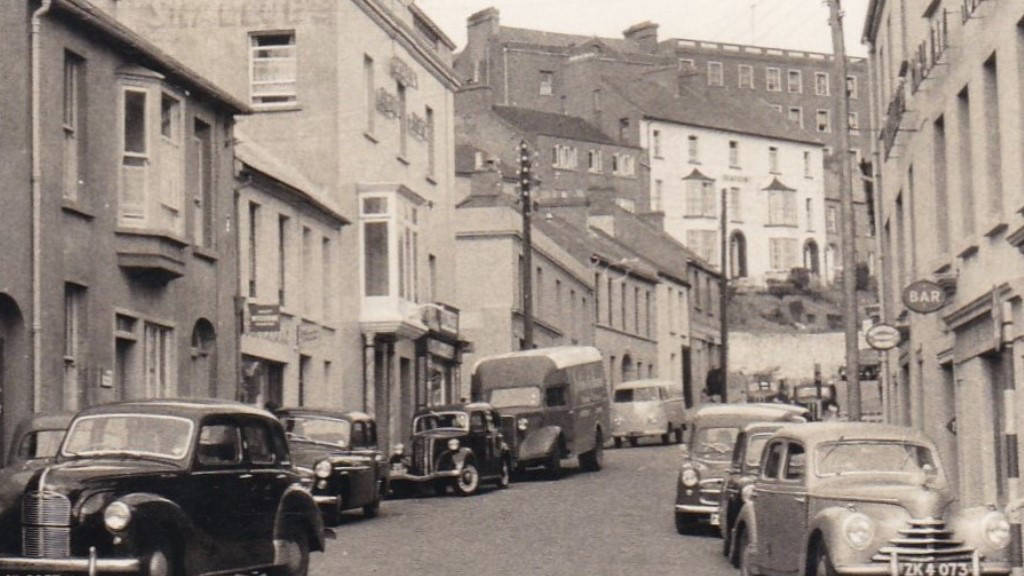
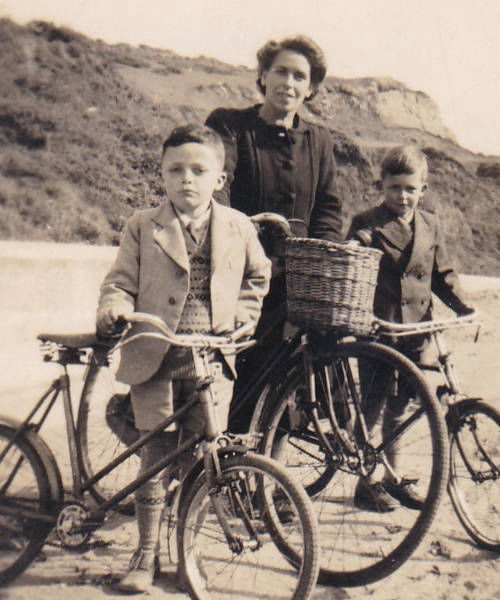
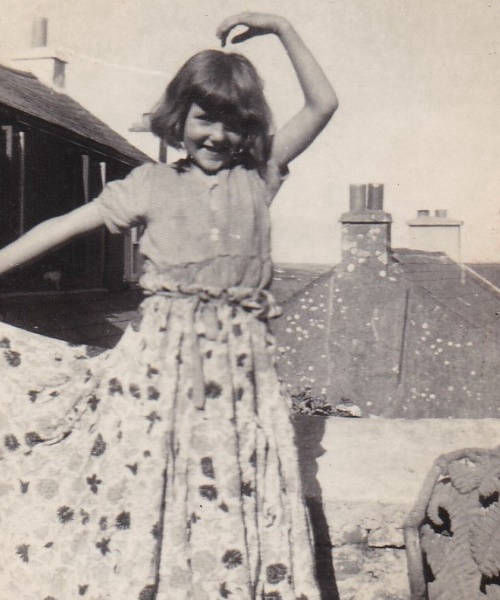
Tramore of our Times carefully crafts an account of life in Tramore from the 1920s to the 1960s.


The social histories include education, emigration, health and welfare, the traditions of how people lived and worked along with the influence of the Catholic Church.

Further emphasis was placed on the people of Tramore from Peter Street to Priest Road to the Tank Field.

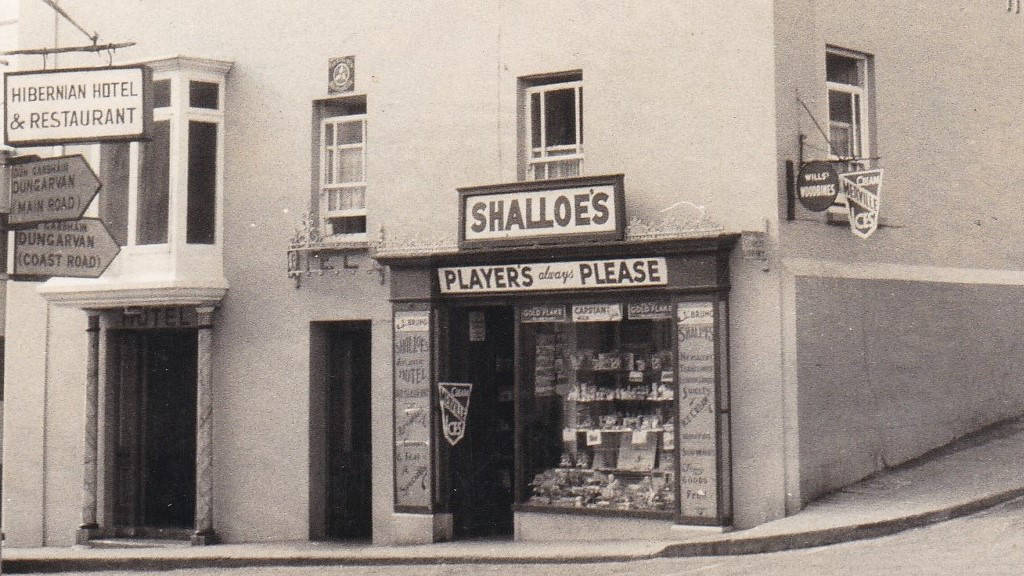
Accounts of businesses include Lodges grocery and hardware stores, the Murray family who were blacksmiths,

Molloy’s butchers and Halligan’s bike sales and radio repairs.


The story of Gerard Stubbs, his boot-making business, his service with the coast guard and his local tours is wonderful to read.

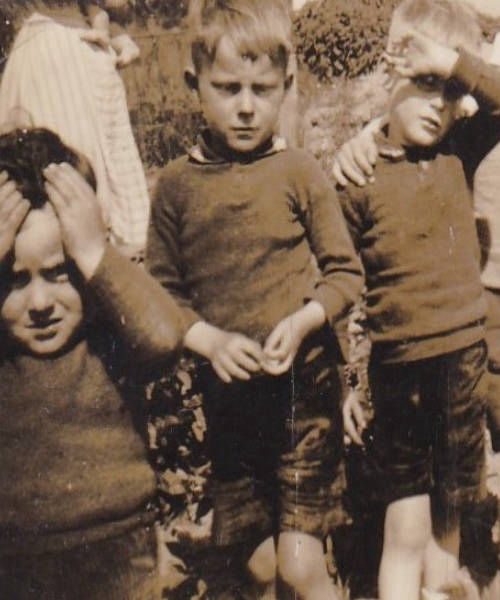
The story of the Brennan brothers was placed in the context of World War One and Irish Independence and outlines the complex nature of Irish history.
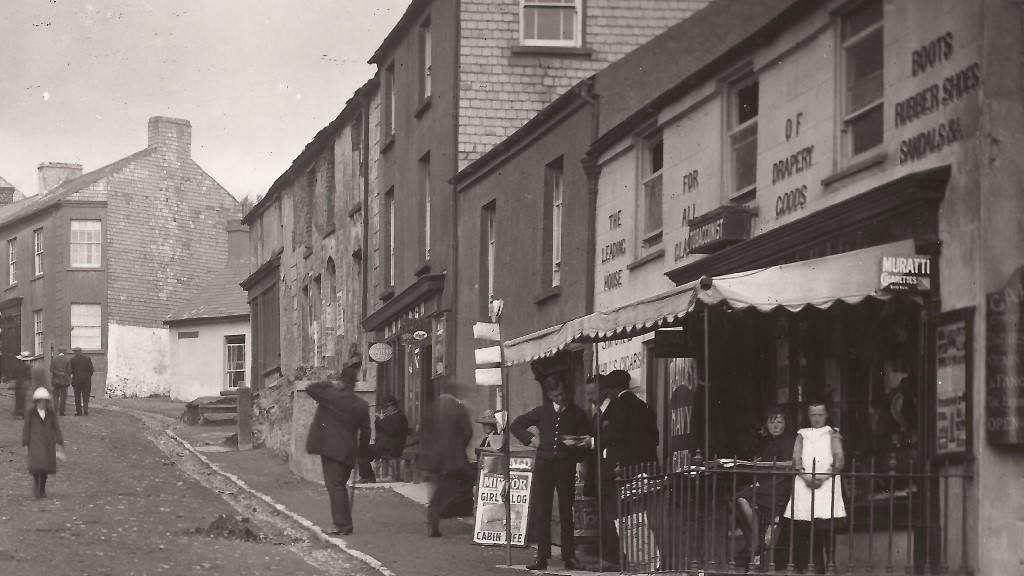
HISTORY OF TRAMORE

By the 1750s the small fishing village of Tramore began to expand into a popular sea-side spa and resort and over the next two decades the popularity of Tramore grew particularly with the gentry as a place to permanently live. In 1778, Bartholomew Rivers, merchant, ship owner and banker moved from Waterford city to Tramore and subsequently began investing in the town. Rivers built a thatched church, assembly rooms and a large hotel, identified today as the Grand Hotel. Rivers further developed Strand Street as an attractive terrace leading to miles of golden beach and sand dunes. 

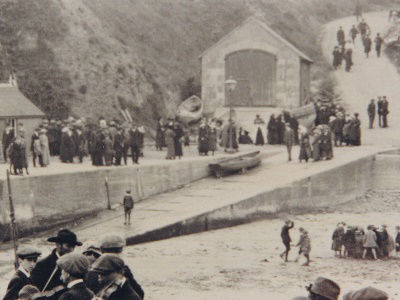
By the early 1900s thousands of  visitors were attracted to Tramore for the beach and the amenities of the town where they availed of the healthful benefits of sea air and also the the spa facilities in the town which had more than one public baths. Hot and cold showers and reclining sea water baths were available from Morrissey’s and Chapman’s public baths. Doctors often prescribed a healthful trip to Tramore for the sea air and spa facilities. In 1914 a concrete promenade, which still stands today, was built to provide visitors and locals with a healthful walk beside the fresh sea air.

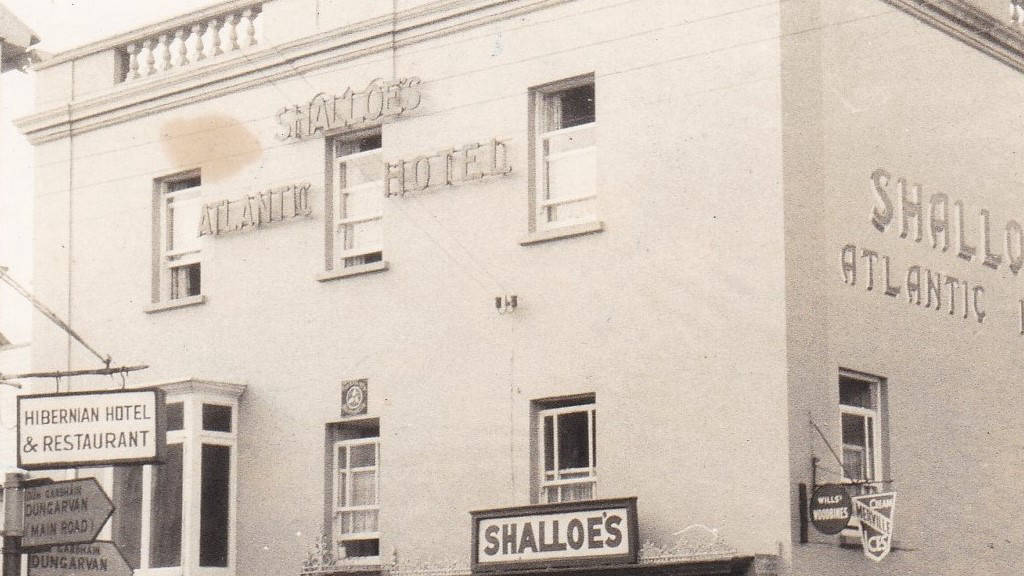
For the more lively visitors Tramore provided amusements. The amusement rides first visited Tramore in 1895 and returned in 1900. In the early years of the twentieth century Pipers Amusement visited Tramore most frequently.  By  the 1940s visitors to the town could enjoy the amusements and also the dancing and music of the Silver Slipper and the Atlantic Ballroom. Until 1960 visitors from Waterford could travel by train to the dances on a combined train and dance ticket and return worn out on the last train at 3 am.  The Tramore to Waterford train station and railway line  was  opened in 1853 and the journey to Tramore from Waterford took 25 minutes. The importance of the W&T railway to Tramore town was not merely the supply of passengers to while away the summer days at the seaside, in fact, the railway can be accredited with being responsible for the growth in the number of residents in the town in the 106 years of its existence and also for promoting the town as the most popular tourist destination in Ireland.  

There are many important historical markers which are unique to the townscape of Tramore and include; The Metal Man, the Doneraile Walk, the Coast Guard Station and indeed the two churches which are visible from the beach standing impressively overlooking the town with slender spires that accentuate the skyline. Holy Cross Church is located on Priest’s Road and is described as a monumental Gothic Revival Church. The church was built from 1856 to 1871 to the designs of James Joseph McCarthy and replaced an earlier church which was built before 1840.  Christ Church the other noted ecclesiastical structure of Tramore is located on Church Road. The church was constructed from 1850 to 1855 to the design of Abraham Denny. Of special interest on the grounds of Christ Church is the memorial erected to commemorate those who lost their lives as a result of the Sea Horse tragedy in 1816.

As is often the case with many towns and cities throughout Ireland there are events that occur which define a place and remain fixed permanently associated with that location forever more. Such is the case with the tragedy of the Sea Horse. In January 1816, the Sea Horse began its voyage from Ramsgate to Cork. On board the Sea Horse were members of the 2/59th Regiment who had bravely fought in the Peninsular Wars. The Sea Horse was a part of a convoy of three ships which included the Boadicea and the Lord Melville. After three days of calm sailing, an unexpected storm occurred. Disaster struck when the only person who was familiar with the coastline, the first mate, fell from the rigging and died within hours. Unable to see the lighthouse at the Old Head of Kinsale, the Captain decided to turn and sail in the opposite direction towards Waterford. By early afternoon on the 30th January the Sea Horse struggled to round Brownstown Head and with anchors dragging, the vessel struck a sand bar in Tramore Bay. The ship broke apart and all were thrown into the sea. A total of 363 lives were lost including 33 women and 38 children. The Sea Horse as a commercial vessel had previously sailed to the South Seas and had been put at risk by the teredo sea worm. The hull of the ship was copper sheathed with iron nails and it was the combined effect of the copper and sea water corroded the nails and caused the hull to weaken. The remains of the soldiers, their wives and children were buried in three mass graves on the Back Strand in Tramore while others were buried in a mass grave at Drumcannon church. 

It was the tragedy of the Sea Horse which led to the most famous landmark associated with Tramore being built which is the Metal Man who stands on a pillar 18.5 meters tall on the cliffs of Tramore. The Metal Man was built as a navigational marking to distinguish Tramore Bay from Waterford Harbour. The local legend which attracted tourists in great numbers in the nineteenth and twentieth century no longer applies. The legend promised marriage to ‘eligible maidens’ within a year for those who hopped around the base of the Metal Man’s tower. With the distance being 80 yards on bumpy ground, this feat alone ensured a spouse was guaranteed a good wife. Access to the Metal Man is restricted due to safety concerns but thankfully today women have no need to hop around any structure to seek matrimonial success.

PARTICIPANTS

The book Tramore of our Times - Aspects of twentieth century social history records events that shaped Tramore's history of the twentieth century.

The participants were men and women in equal number who were 75 to 90 years of age.  

The oldest person interviewed was born in 1928 and his father was born in 1881 as such he was the product of late Victorian parenting.

From the 1930s to the 1960s the participants witnessed great changes; radio was invented and was followed later by television.

Electricity was introduced to every home in Ireland while government economic policies ensured almost every school-leaver was obliged to emigrate.

According to the author, 'It became clear that the telling of the social history of Tramore people could not be done in isolation and so it became important to place Tramore and its people against a backdrop of national policies and events'.

The result is a book that could recall the social history of any small town in Ireland during this time. 

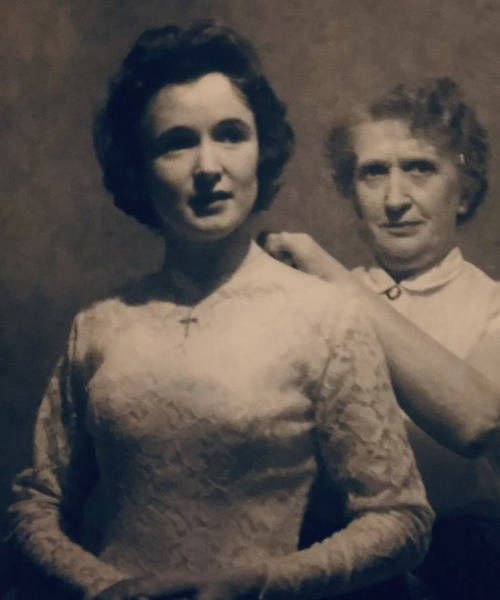
Vocational and technical students
late 1950s 

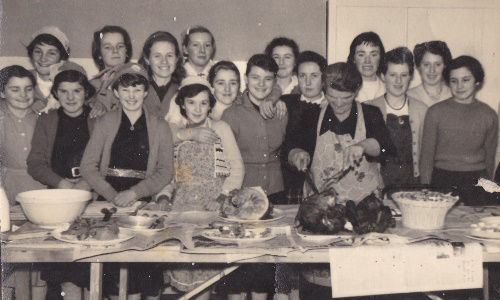
The image is from the late 1950s and includes female vocational and technical students who were taught many subjects including commerce and domestic science in Tramore House on the Pond Road. The picture show students receiving instruction from Agnes Fitzgerald who taught them how to prepare a traditional Christmas dinner. It was not until 1967 that free second-level education was introduced in Ireland and within a dece of the policy change, participation rates in second-level education doubled. 

1958 Nora Cowman
and the Mackey Family

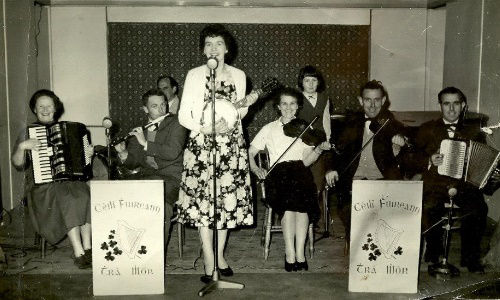
Céilis were held in Tramore in the Sinn Fein Hall which was located at the top of Train Hill. One prominent group of Irish musicians and singers were called The Tramore Céili Band with Nora Cowman and members of the Mackey family who played in the Silver Slipper all year round. The Band drove to Clare and various parts of the country to participate in fléadhs. Céilis were also held in Tramore House by Glún na Búaidhe who brought young people together and promoted Irish language and dance in the 1950s

Gerard Stubbs Tour
to Kate Kearney's Cottage

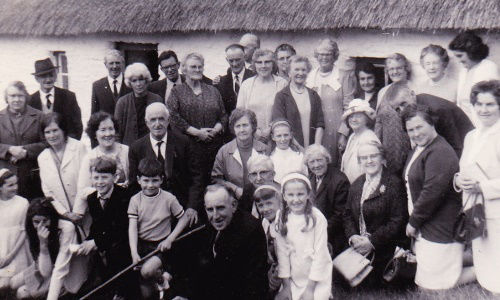
From the 1960s to the 1980s Gerard Stubbs ran bus tours for local people that were advertised in the local newspaper and in the window of his business premises. The tours were well-organised with the travel distance, time, sightseeing event and the costs of meals all considered. Salads, scones, bread, butter and jam were the standard menu fare with additional options such as cakes and ice cream. It was not unusual for people to return home tired from a great day out only to be planning the next trip the very next day. 

ABOUT THE AUTHOR

DR. MAXINE KEOGHAN

Maxine Keoghan received her PhD in history from the National University of Ireland, Galway, where she studied as a transnational historian; her area of expertise is the Irish Diaspora.
Maxine was awarded the Craig Dobbin Scholarship by the Ireland Canada University Foundation in 2017 and travelled to Newfoundland tracing the heritage of the people of the South East.
It is her love for Tramore and the its people that encouraged Maxine to talk with and discover the histories of the past two generations.
As a native of Tramore, Maxine's family traces its history in Tramore to the eighteenth century.
Her family has a long history of coastal rescue service and were part of the rescue teams that assisted with the Sea Horse tragedy of 1816.
The opportunity to research and record the events of the twentieth century arose when Maxine completed her PhD in history and decided to undertake a local research project.
Maxine's background was in questioning and understanding the many reasons why Irish people emigrated and how they built their lives in new lands.
Using the same approach, Tramore of our Times captures events and the people of Tramore of the twentieth century in great detail from the 1920s to the 1960s.

Dr. Maxine Keoghan

BUY THE BOOK

TRAMORE OF OUR TIMES

Tramore of our Times captures events and the people of Tramore of the twentieth century in great detail from the 1920s to the 1960s.

The book costs €23.50 euro - which includes worldwide postage.

CONTACT US

Send your images or stories to tramorehistory@gmail.com